Case StudyN°0305
HealthcareBuilt at Hestia Services B.V. · 2023–2024
Surgery Room Control System
MACS — Monitoring, Alarming and Controlling System
A real-time control and monitoring interface for surgery rooms — turning 100+ device inputs and outputs into clear, glanceable information for medical staff during procedures.
Core Stack
- Vue.js
- TypeScript
- Node-RED
- Strapi CMS
- MQTT
- PostgreSQL
Built with
- Vue.js
- TypeScript
- Node-RED
- Strapi (Headless CMS)
- MQTT
- PostgreSQL
- JavaScript
- HTML5
- CSS3
- Node.js
- Docker
Role
Senior software engineer — interface design, plus frontend and backend implementation.
The Story
The Challenge
Most surgery rooms still run on mechanical controls — physical switches, indicators, and timers. That works, but it doesn't scale: a single room can hold 100+ device inputs and outputs across ventilation, lighting, temperature and humidity systems, timers, and more, all producing a constant stream of data.
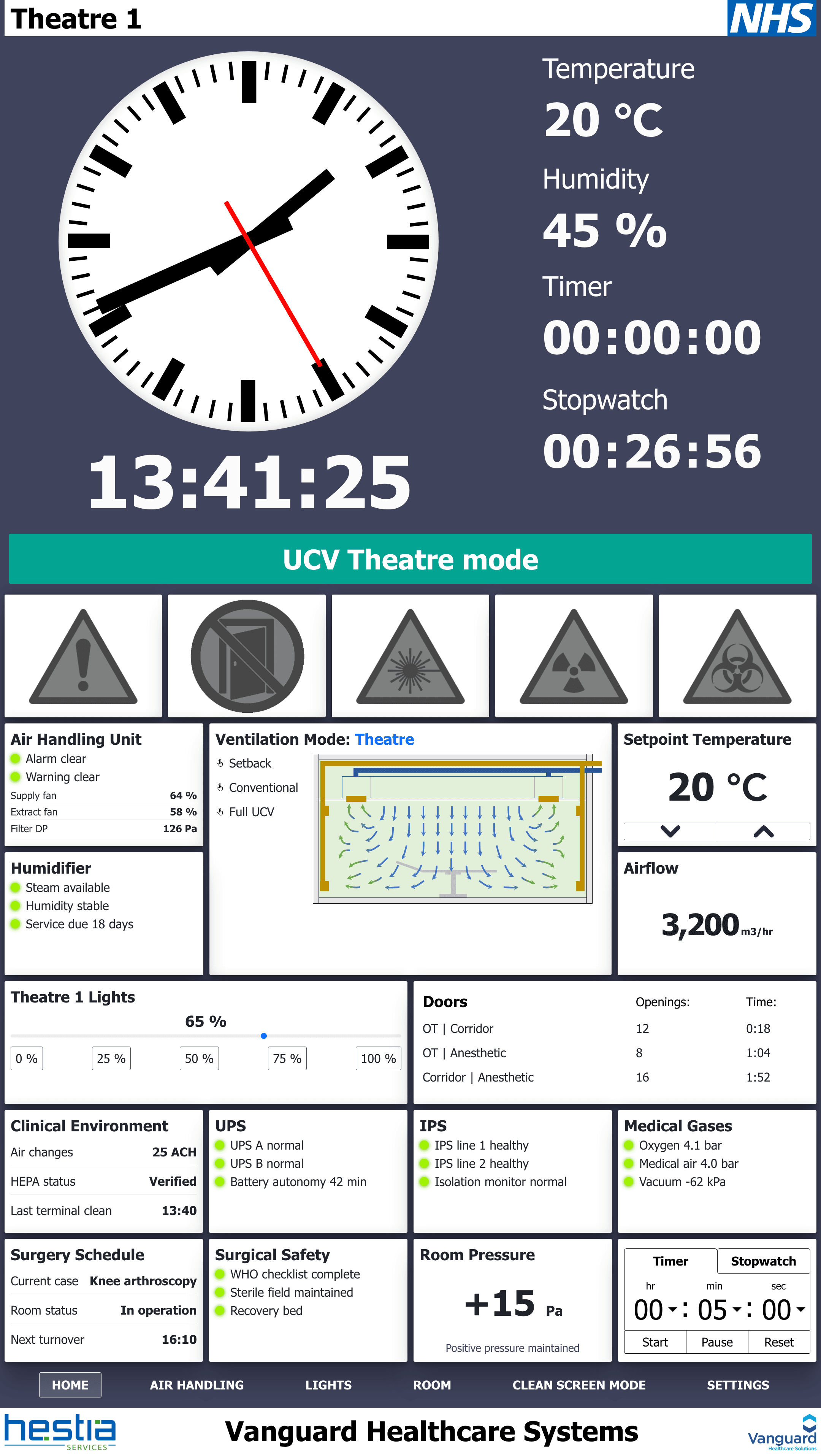
The challenge was to give surgery-room staff better control and a clearer picture during a procedure — bringing all that scattered data into one place, presented so clearly that staff could make better decisions in the moment.
The Approach
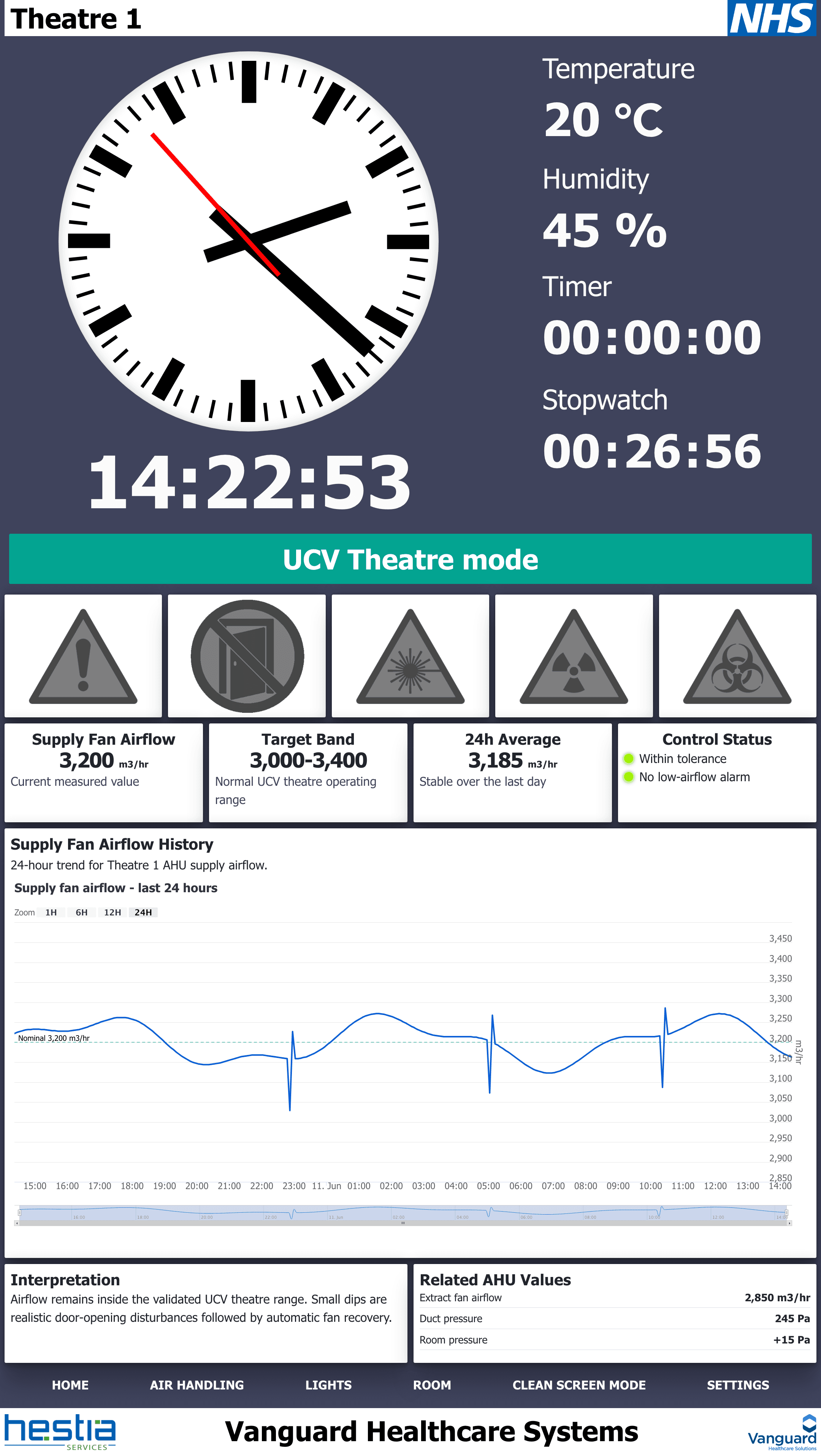
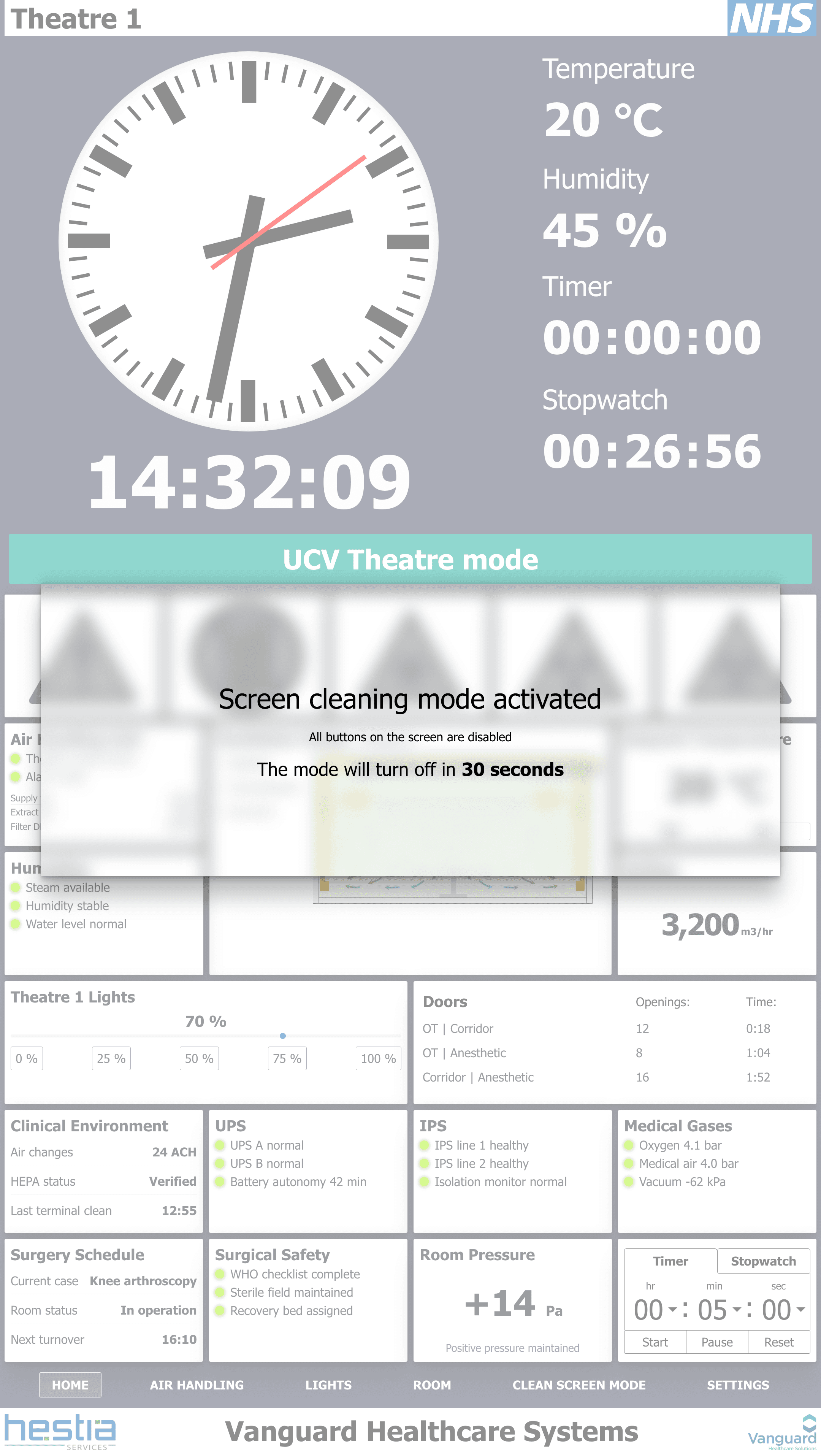
The project — known internally as MACS (Monitoring, Alarming and Controlling System) — needed to do two things at once: give medical staff a clear real-time view of the room, and integrate cleanly with Hestia's existing backend systems. The team already had a strong sense of what users needed and what mattered most. From there, we decided on a large vertical display showing all the vital information at a glance.
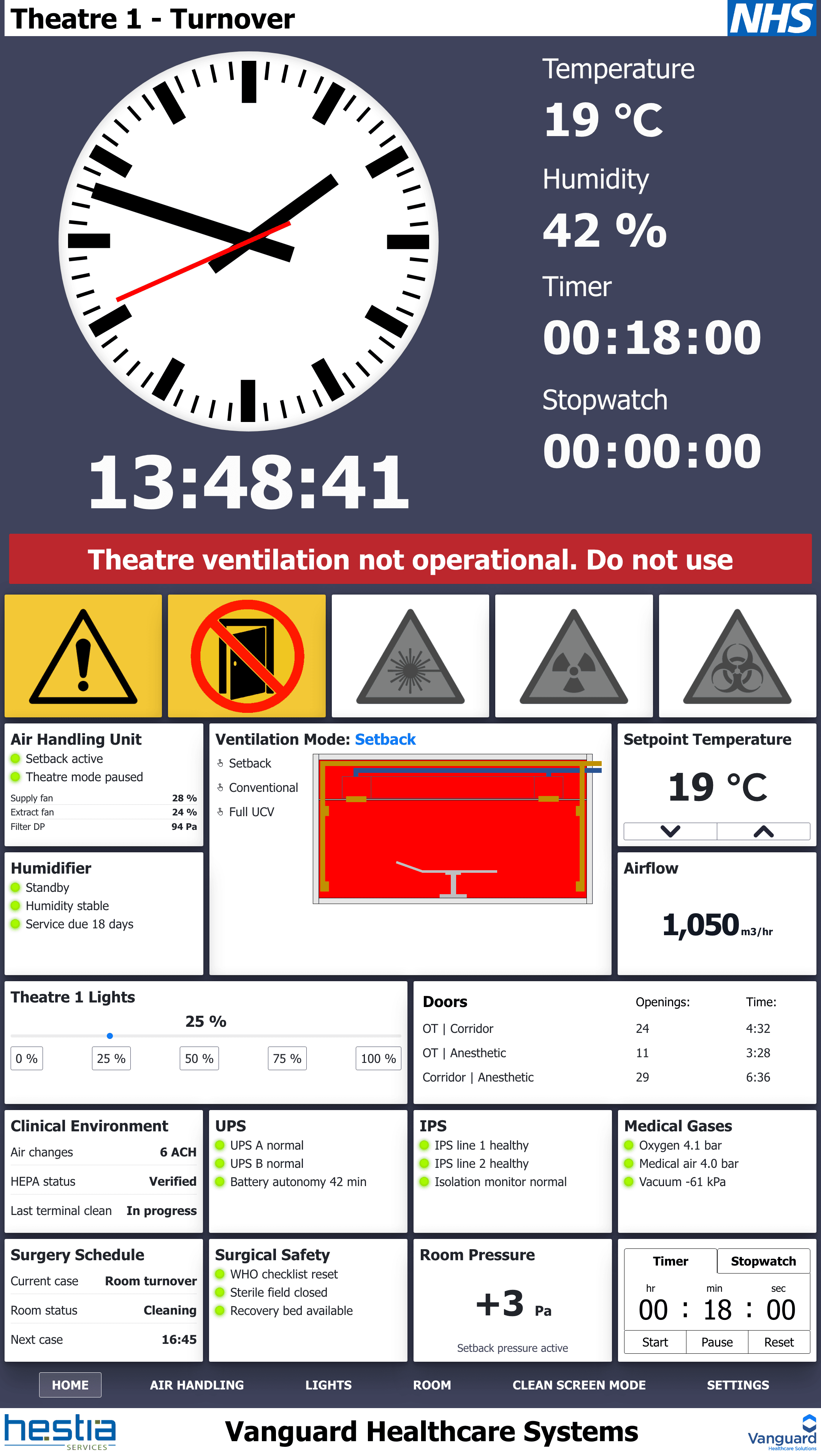
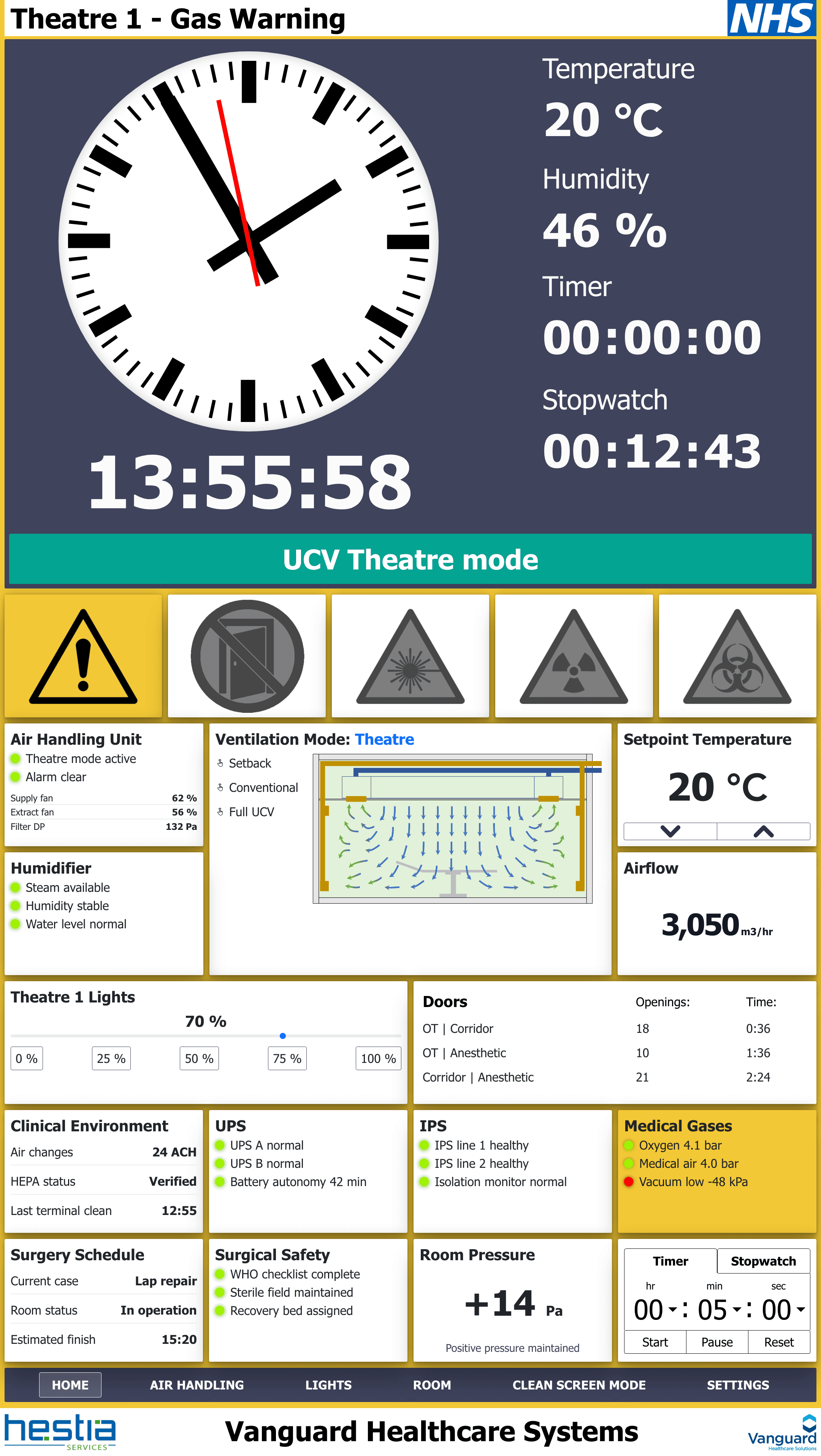
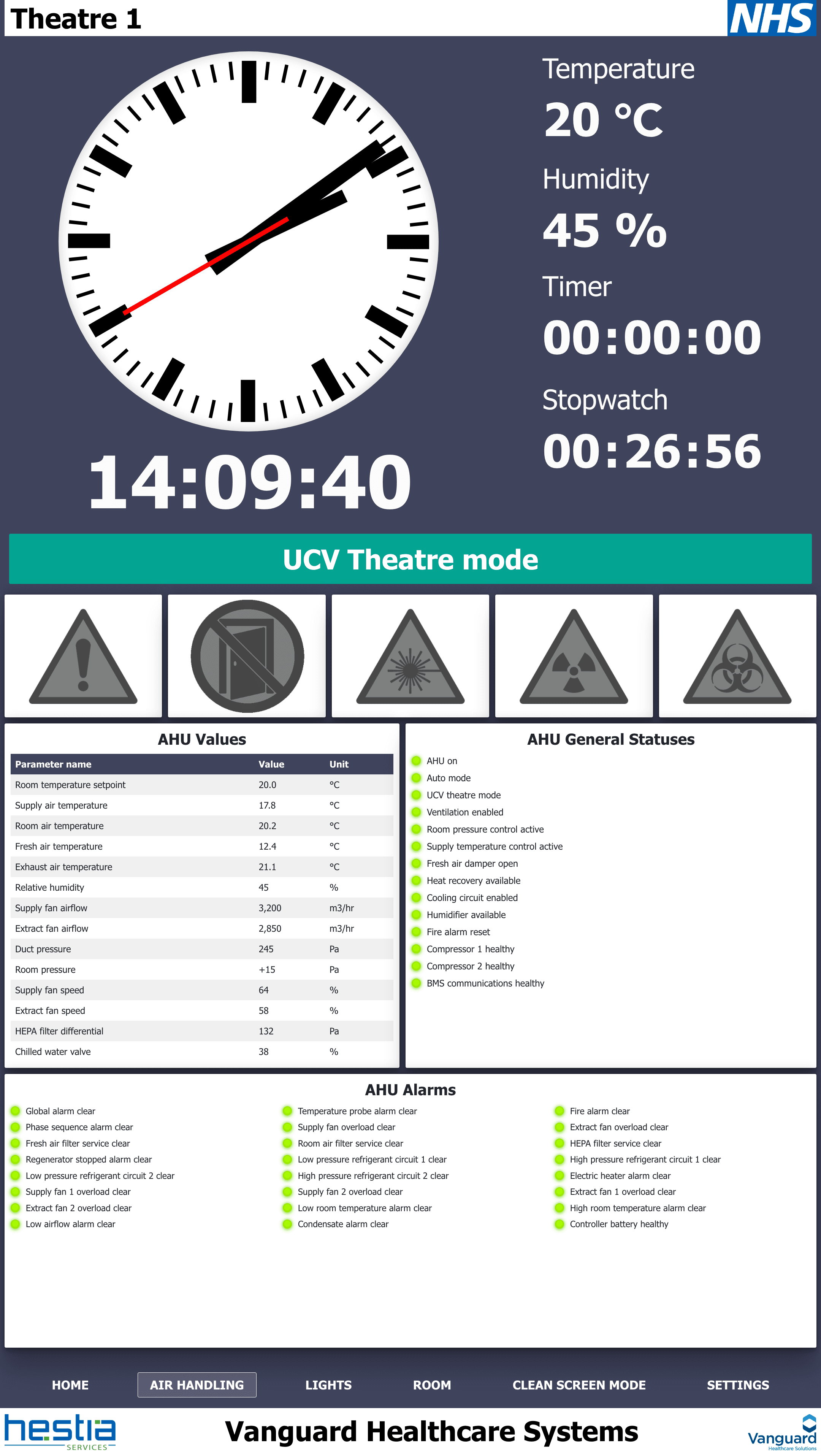
I built the interface as a set of pages, each one keeping the most critical readings — temperature, humidity, timers, and current room status — fixed at the top, so they're always visible no matter where the user is. The rest of the information is grouped into blocks: each block on the home page surfaces the most important reading drawn from many underlying device inputs; clicking a block opens the detail for a specific indicator; clicking an indicator reveals its history. Three layers, from overview to detail, without ever overwhelming the screen. Strapi was used as a headless CMS to manage content for the UI.
The build came with real constraints — locally run instances, software tied to specific hardware. Together with the technical team, we chose Node-RED on the backend and Vue.js on the frontend. Node-RED handled device connectivity well and, as a low-code platform, let the IoT team — strong on hardware, lighter on software — build and adjust things themselves. Vue.js was lightweight enough for hardware with limited resources, while still handling everything the interface required.
The Outcome
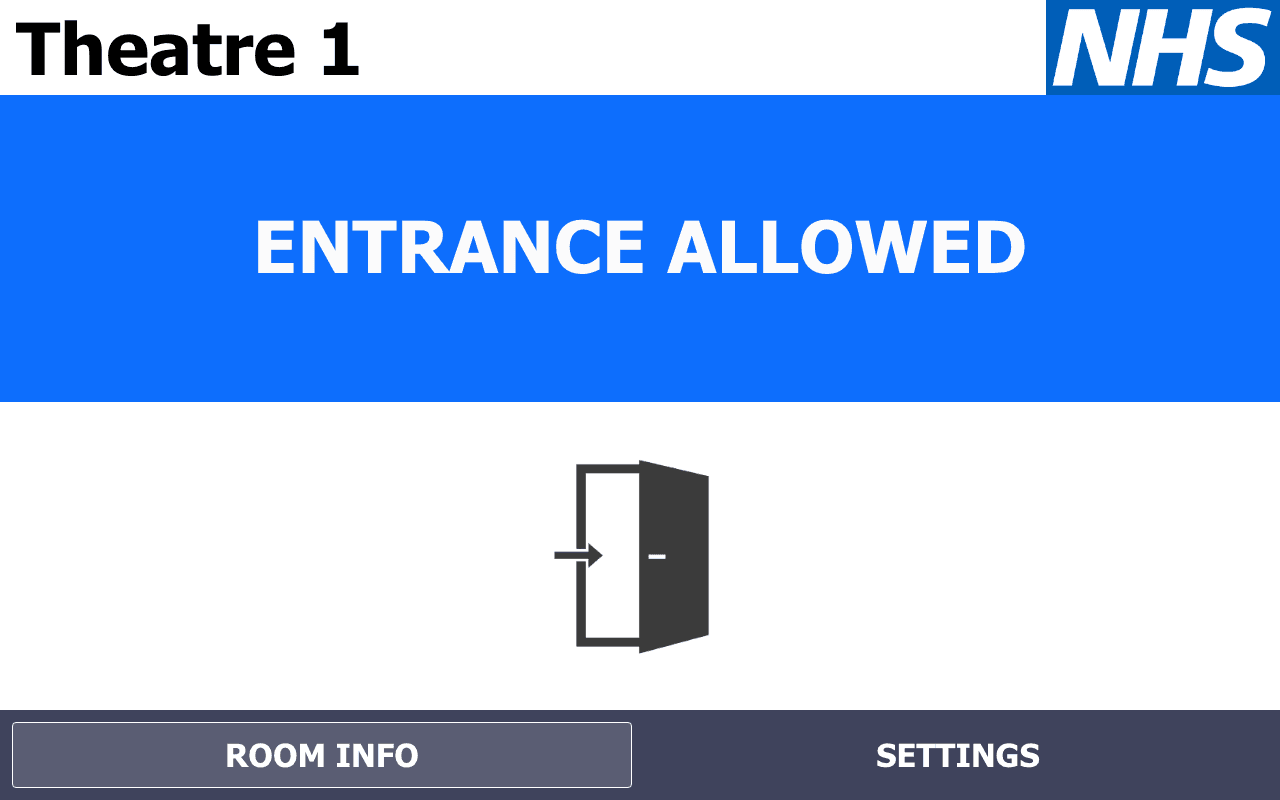
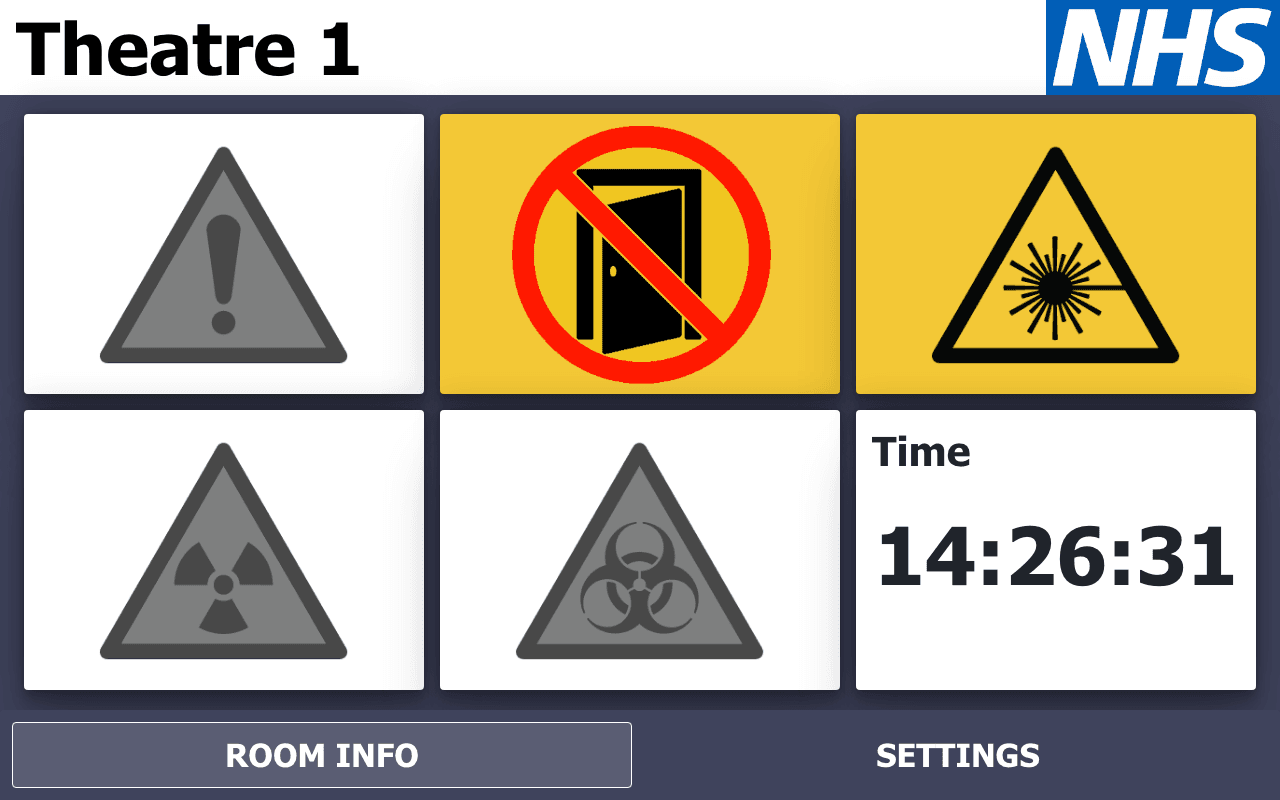
A real-time control and monitoring system that replaces scattered mechanical controls with a single, clear interface. Surgery-room staff get vital data — temperature, humidity, timers, room status — surfaced at a glance on a large display, with the ability to drill from overview to live detail to historical readings. Critical information from 100+ device inputs and outputs, in one place — built to be reliable enough for medical teams to depend on during procedures.
Selected Views
“Mykhailo is a strong and reliable software developer with sharp analytical ability and a keen eye for detail and quality. During his work for Hestia, he successfully took on and solved several complex technical challenges, always in good collaboration with the...”
— Martin van LingOwnerHestia Services B.V.